
Outsourcing vs. In-House HR Which is More Cost-Effective - NetViet

Outsourcing vs. In-House HR: Which is More Cost-Effective?

The debate between outsourcing HR functions and managing them in-house has been ongoing for years. Companies often struggle with whether to rely on external partners or build an internal team. Each approach has its advantages, but understanding the cost implications is essential. This blog will explore the costs associated with in-house HR and the financial…

Severance Pay vs Job-loss Allowance in Vietnam - NetViet

Severance Pay vs Job-loss Allowance in Vietnam

In the evolving landscape of employment law in Vietnam, it is crucial for both employers and employees to understand the nuances of different types of compensation. Two significant forms of financial support that often come into play when employment contracts terminate are severance pay and job-loss allowance. Although some people use these terms interchangeably, they…

Vietnam Serverance Pay 2026

Severance Pay in Vietnam

Severance pay is a monetary support that employers provide to employees after their termination or the conclusion of the labor contract. According to Article 46 of the Labor Code 2019, employers must pay severance to employees who have worked regularly for at least 12 months in the following situations: The labor contract expires. The employee…

Job-loss Allowance in Vietnam

Job-loss Allowance in Vietnam

Employers must provide job-loss allowances to employees who are terminated under specific circumstances. The following situations qualify for this allowance: Changes in Structure or Technology Employers must pay job-loss allowances when: They change their organizational structure or reorganize labor. They modify processes, technology, machinery, or equipment related to their production or business. They alter their…

Post-Tet Turnover Causes and Strategies - NetViet

Post-Tet Turnover: Causes and Strategies

Introduction Post-Tet turnover is a common phenomenon in Vietnam, where many employees choose to leave their jobs shortly after the Lunar New Year (Tet) holiday. This period of employee transitions can be disruptive for businesses, as key staff members may depart, leading to operational challenges. Understanding the causes of this turnover and implementing strategies to…

Labor Code Restrictions on Employer Termination - NetViet

Labor Code Restrictions on Employer Termination

Navigating the legal landscape of labor contracts is crucial for both employers and employees. The 2019 Labor Code in Vietnam outlines specific cases where employers cannot unilaterally terminate contracts, aiming to protect employees’ rights. This article explores the concept of unlawful termination and details the obligations employers face when they unlawfully terminate contracts. Understanding these…

EOR Hacks Your Fast Track to Global Talent

EOR Hacks: Your Fast Track to Global Talent

In today’s interconnected world, traditional hiring methods limit businesses to local talent, leaving a vast global talent pool untapped. However, with the help of an Employer of Record (EOR), companies can overcome these limitations and access skilled professionals from around the globe.
This guide explores EOR hacks to streamline global hiring, ensuring compliance, simplifying payroll, and expanding your talent pool to drive growth and innovation.

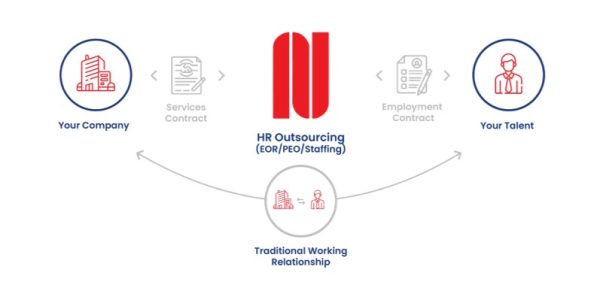
Outsourcing vs. Employer of Record: Choosing the Right Solution

Outsourcing vs. Employer of Record: Navigating the Global Employment Landscape

In today’s interconnected world, businesses are increasingly expanding their operations internationally. However, hiring employees in different countries comes with significant challenges, including navigating labor laws, ensuring regulatory compliance, and managing payroll across borders. To address these complexities, companies often rely on two solutions: outsourcing and utilizing an Employer of Record (EOR). While both strategies support global operations, they serve distinct purposes.